Training + lifestyle
Too busy to work out?How to get in shape without living in the gym.
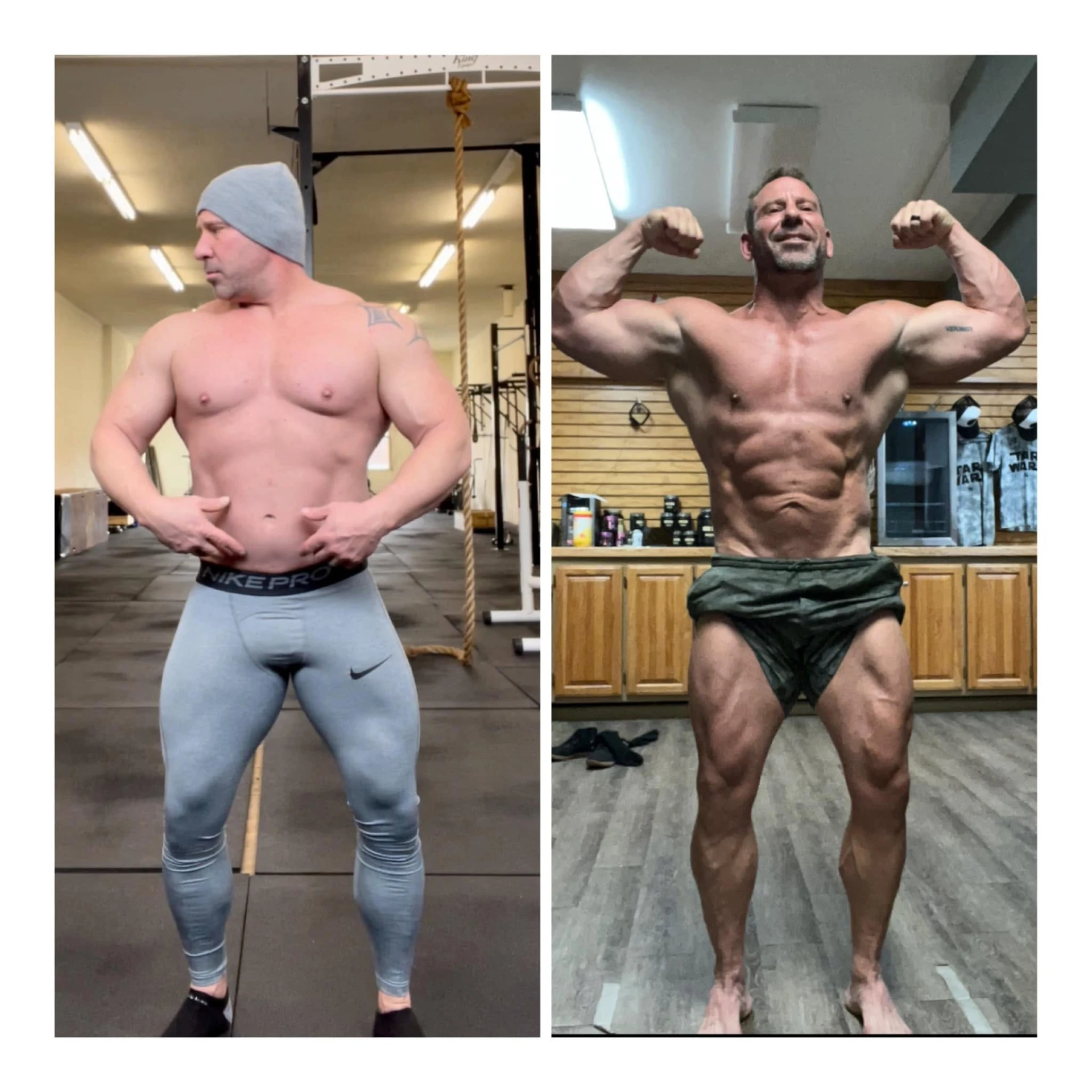
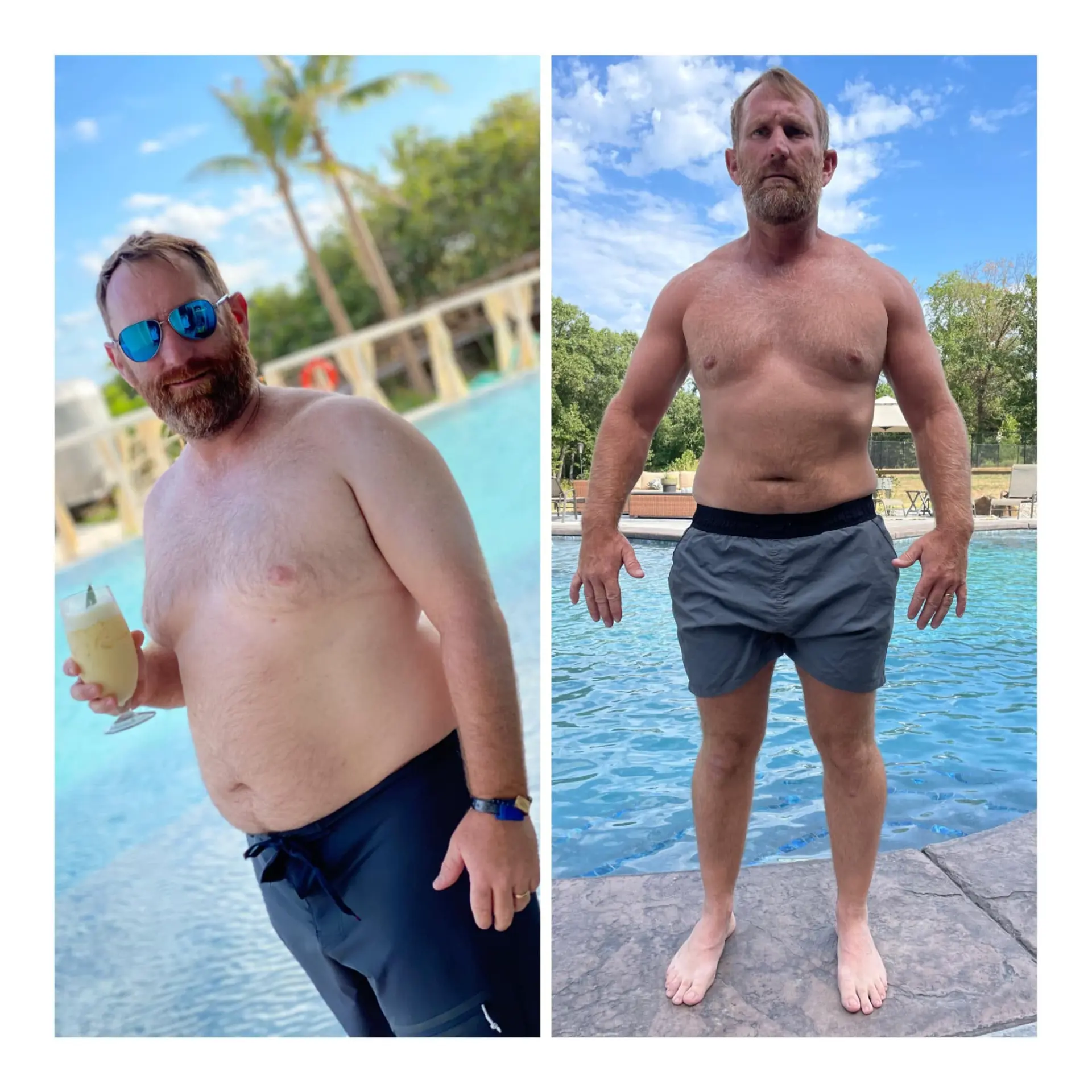
Three productive workouts you actually complete beat a six-day program you keep missing. Here's how to build training and nutrition around the life you already have.
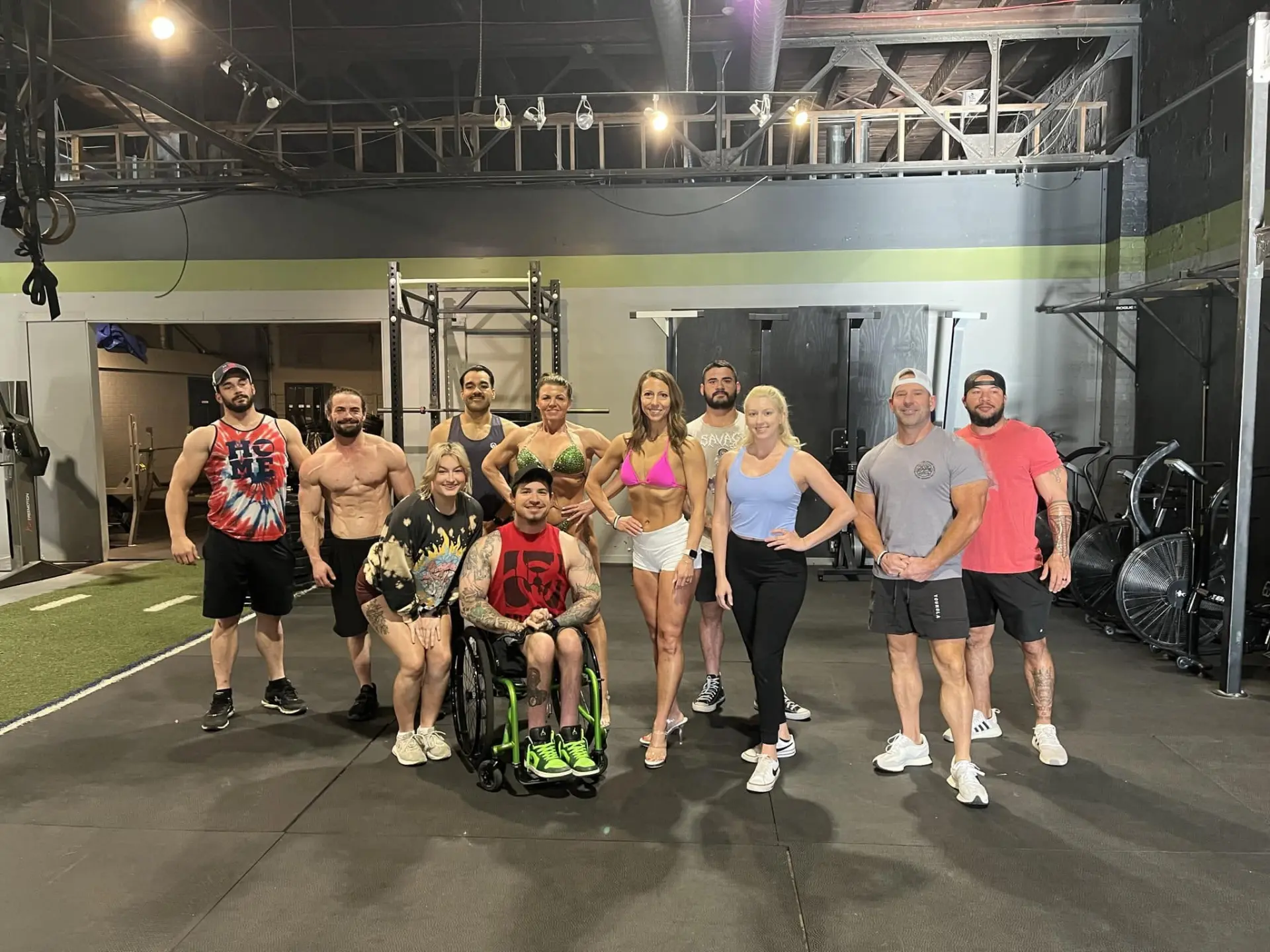
Work. Kids. Family. Travel. A business to run. Responsibilities that don't move because you decided to get in shape. A social life you'd like to keep.
Most fitness advice quietly assumes you have two spare hours a day and full control of your schedule. Most adults don't. Getting in shape should not require you to organize your entire life around the gym.
The goal isn't to find more time. It's to build fitness around the life you actually have.
You probably don't need to train as much as you think
Three well-structured sessions completed every week for six months will beat a six-day program you follow for two weeks and abandon. Not because three is magic, but because it's the one that keeps happening.
A training plan should be designed against real constraints:
- Available training days — how many you can protect in a normal week, not your best week.
- Session length — 45 focused minutes is a workout.
- Experience — a beginner and a ten-year lifter don't need the same volume.
- Equipment — home, commercial gym, hotel, or a mix.
- Recovery — sleep, stress and workload determine how much you can absorb.
- Limitations — old injuries, joint history, mobility.
- Goals — fat loss, strength, muscle or stage prep change the structure.
“The best training split isn't the one that looks impressive on paper. It's the one you can execute.”
Make your training intentional
When time is limited, the difference between a good session and a wasted one is decided before you walk in. Wandering the gym deciding what to do burns the exact resource you don't have.
Walk in knowing:
- What you're training that day.
- Which exercises, in what order.
- Sets and reps.
- What you lifted last time.
- What you're trying to improve today — one more rep, five more pounds, better control.
That's it. A 45-minute session with that clarity produces more than 90 minutes of improvising.
Stop thinking cardio has to mean hours on a treadmill
Cardio is a tool, not a sentence. For most people chasing fat loss, general daily movement does more over a month than a punishing treadmill block does over a week — because it's sustainable and it doesn't compete with your training recovery.
Walking after dinner. Parking further out. Taking calls on your feet. Stairs. Movement counts when you're not wearing gym clothes. Track steps if you like data; otherwise just build two or three walks into your normal day.
Want training built around your actual schedule?
Make nutrition easier, not more complicated
Busy people don't fail at nutrition because they lack recipes. They fail because every meal requires a decision, and decisions run out before the day does.
- Repeat meals. Two breakfasts and three lunches on rotation removes most of the daily thinking.
- Keep fast protein available — rotisserie chicken, lean ground beef, Greek yogurt, eggs, deli meat, shakes.
- Have a restaurant default: a protein, something green, and control the starch and sauces.
- Have a travel default: know what you'll order at an airport and a hotel before you're standing there hungry.
- Prep components, not full meals — protein, a starch, vegetables — and assemble in minutes.
Simple doesn't mean ineffective. Simplicity is usually what makes consistency possible, and consistency is what produces the result.
Plan for the chaos
Meetings run late. Kids get sick. Flights move. A weeknight disappears. This isn't a disruption to the plan — it is the plan. Every real schedule includes it.
So build the alternates in advance: the 30-minute version of your session, the two-day-a-week version of your week, the hotel-room version of your workout, the restaurant version of your meal. Having a smaller option is what stops one missed day from becoming three missed weeks.
Three great workouts beat six missed ones
Getting serious about your physique does not mean giving more and more of your life to it. It means being deliberate about a small number of things that actually drive change:
- Training stimulus — hard, progressive resistance work.
- Nutrition — enough protein, appropriate calories for the goal.
- Daily movement — steady, unglamorous, effective.
- Recovery — sleep and stress management.
- Consistency — across months, not weeks.
Your program should fit your life.Not fight it.
Brink Physiques coaching starts with your schedule, training experience, equipment, goals and limitations — then builds the plan from there and adjusts it as your life changes.
You don't get handed someone else's week. You get one you can actually execute.
Build my plan →