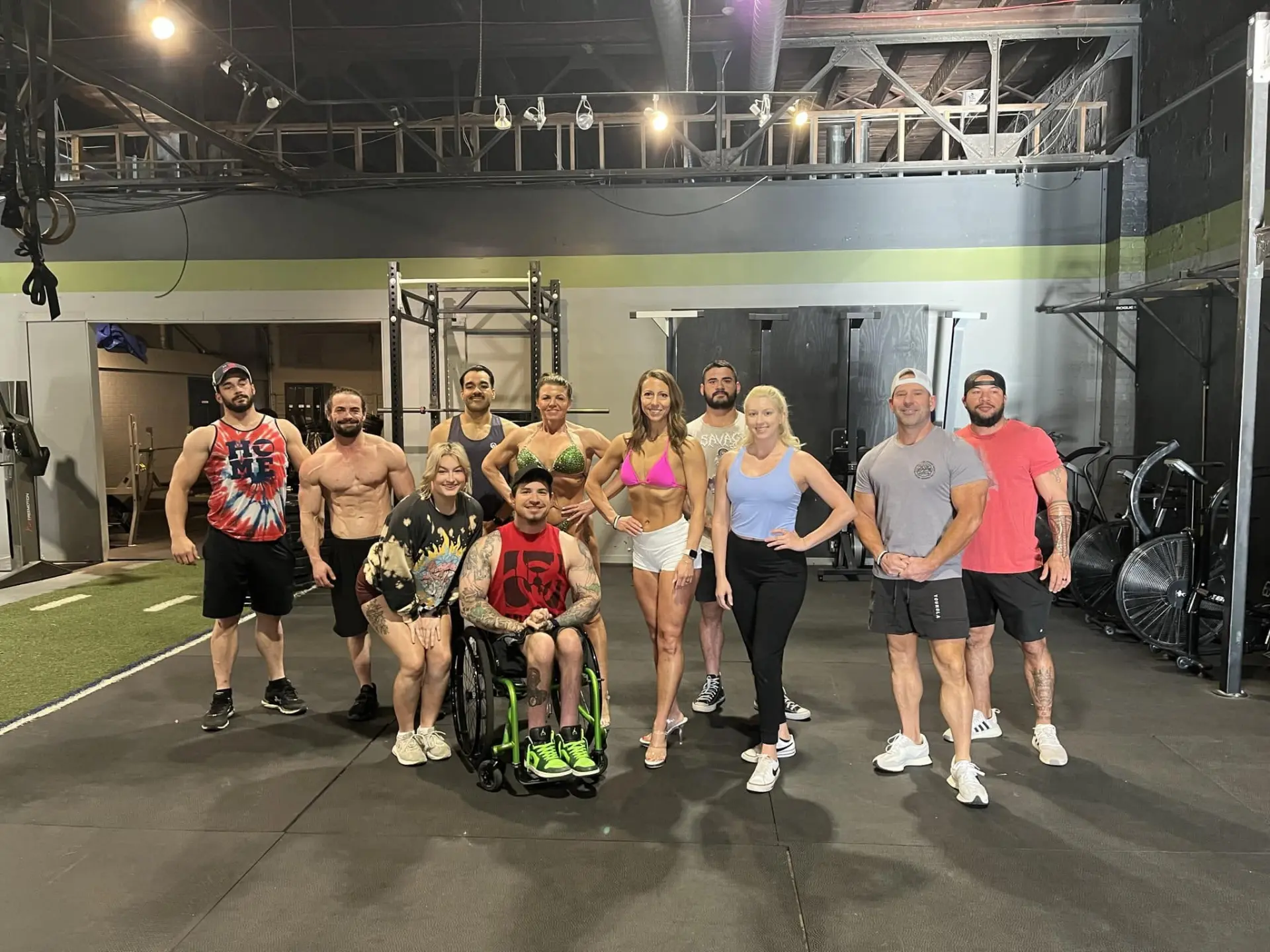
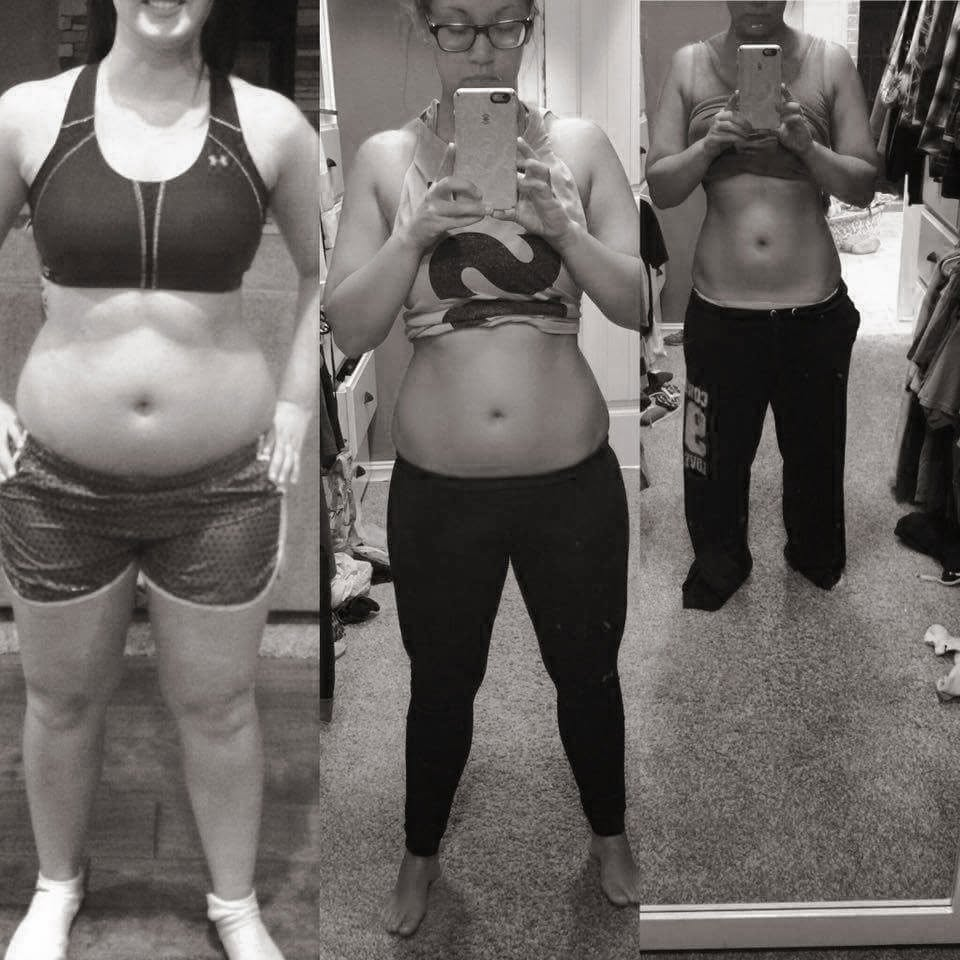
Transformation
How long does it take to transform your body?A realistic look at the timeline.
30 days, 12 weeks, six months, a year — the honest answer depends on where you're starting and what you're chasing. Here's how to set a timeline you can actually hold.
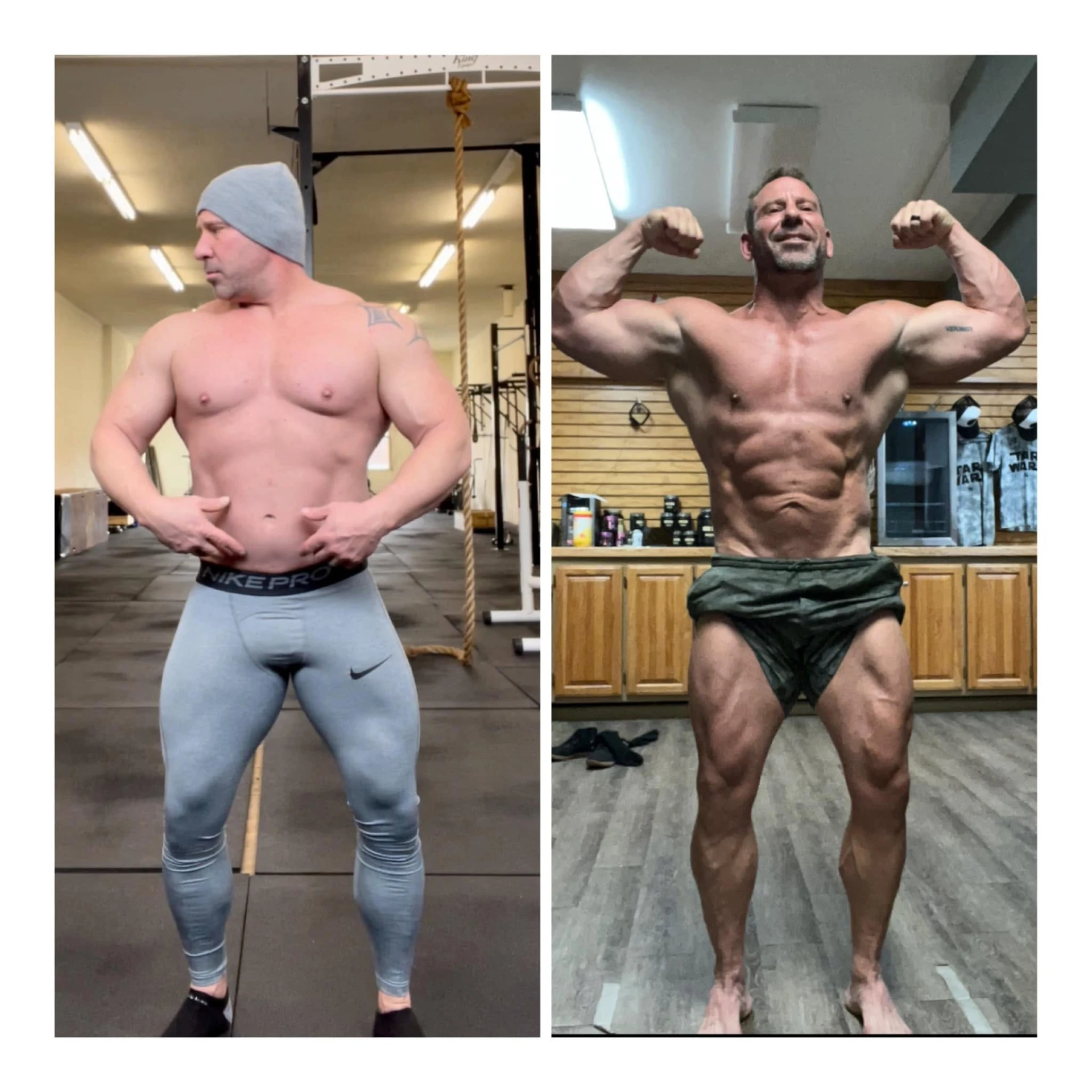
30 days? 12 weeks? Six months? A year?
It's the first question almost everyone asks, and the honest answer is that it depends entirely on where you're starting and what you're actually trying to achieve.
Someone trying to lose 15 pounds isn't running the same race as someone trying to lose 60. Someone who wants to see their abs has a different goal than someone preparing to step on stage. Comparing those timelines does nothing but make you quit early.
What does realistic progress look like for me?
That's the better question, and five things determine the answer.
Your starting point
Current body fat, existing muscle mass, training history and conditioning all set the pace. Someone carrying more body fat can often lose faster early on. Someone already fairly lean chasing definition is working with much smaller margins, and that takes longer by nature.
Your goal
"Get in shape" isn't a timeline. Losing a specific amount of weight, building visible muscle, getting genuinely lean, improving health markers or competing are five different projects with five different schedules. Building muscle is slower than losing fat. Getting stage-lean is slower than getting comfortably lean.
Your consistency
An excellent plan followed 50% of the time produces worse results than a good plan followed 90% of the time. This is the single biggest variable, and it's the one people ignore when they go looking for a better program.
Your training
Losing scale weight and building a visibly different physique are not the same outcome. Weight can come off without resistance training — and often what's left looks smaller but softer.
Progressive resistance training is what preserves and builds muscle while you lose fat. That's what creates shape, definition and the look people are actually describing when they say "transformation."
Your nutrition
Nutrition has to support the outcome. Enough protein to hold muscle. Enough energy to train hard and recover. A deficit sized to your body and your life, not to your impatience.
More aggressive isn't automatically better. The goal isn't to eat as little as possible — it's to eat appropriately for the outcome you're pursuing.
Want a realistic timeline for your starting point?
What can change in 30 days?
Thirty days is where structure gets built. Training becomes a habit rather than a decision, meals get organized, sleep and steps improve, and you learn what your real week looks like.
Physically, most people see early measurable movement — weight trending down, strength going up, clothes fitting differently, less bloating, better energy. It's rarely dramatic in photos yet, and that's normal. Month one is where the process becomes reliable.
What can change in 12 weeks?
Twelve weeks of consistent execution is usually where change becomes visible to other people. Strength is meaningfully higher, training performance is better, and photos start to show real difference in shape rather than just size.
How much depends on your starting point and your goal. Someone starting with a lot to lose can look substantially different in three months. Someone chasing the last bit of definition may see subtler but still significant change. Both are progress.
What can change in six months?
Six months is where consistency compounds and where most of the transformations people admire actually happen. Over that span you can reasonably expect improvements across:
- Meaningful fat loss
- Strength across your main lifts
- Training performance and work capacity
- Nutrition habits that no longer require willpower
- A much better understanding of how your own body responds
- Significant, visible physique change
None of that requires perfection. It requires months of showing up while the plan gets adjusted along the way.
Don't let the finish line keep moving
The most common way people lose momentum isn't failure — it's a goalpost that moves every time they get close. You lose 20 pounds and immediately compare yourself to someone with ten years of training behind them, and the win evaporates.
Measure against your own starting point. Keep evidence:
- Progress photos in the same light, same pose, same time of day.
- Measurements every four weeks.
- Training records — what you lifted and for how many reps.
- Weight trends, weekly averages rather than daily readings.
When motivation dips, that record is what shows you the work is doing something.
The best timelineis the one you can maintain.
A twelve-week sprint you can't sustain is a detour. The right pace is the one where you can train hard, recover, do your job, be present at home, and still be executing four months from now. That's what produces a physique you keep.
Your transformation doesn't needsomeone else's timeline.
Brink Physiques coaching starts with the individual — your body, your schedule, your training experience and your goal — then sets a pace you can hold and adjusts it as you progress.
Plan. Execute. Measure. Adjust. Progress.
Build my plan →